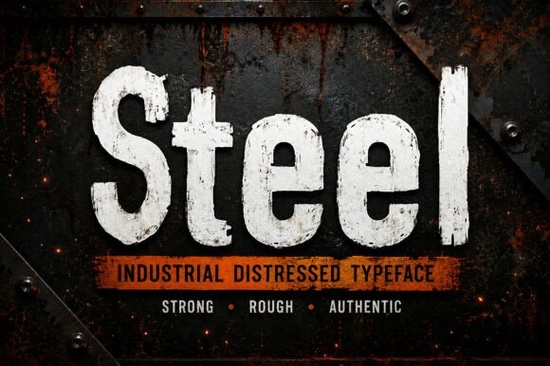
Steel Font is a powerful industrial display typeface that brings a rugged, weathered aesthetic to any design project. If you're looking for a font that exudes strength and authenticity, this is the one to consider. With its distressed texture and bold appearance, Steel Font is ideal for branding, packaging, and any design that needs a gritty, industrial feel.
Designed with attention to detail, Steel Font features uppercase and lowercase letters, numbers, punctuation, and support for multiple languages. It’s available in OTF, TTF, and WOFF formats, making it easy to install and use across different platforms. Whether you're working on print or digital projects, this font delivers high-quality results that stand out.
For designers and small businesses, Steel Font offers a versatile solution for creating eye-catching visuals. Its unique style makes it perfect for industrial branding, construction logos, vintage posters, and workwear apparel. You can also use it for product packaging, book covers, social media graphics, and signage. The font’s raw look adds character and depth to any design, helping you make a strong visual impact.
What Makes Steel Font Stand Out?
One of the key features of Steel Font is its authentic distressed texture. This gives it a worn, industrial feel that feels like it's been used for years. Unlike other fonts that may look too clean or modern, Steel Font embraces imperfections, making it ideal for projects that require a vintage or rugged look.
The font is also easy to use, with straightforward installation and compatibility across various design software. Whether you’re using Adobe Illustrator, Photoshop, or other creative tools, you’ll find that Steel Font integrates smoothly into your workflow. Its multilingual support ensures that it can be used in a wide range of projects, from local campaigns to international branding efforts.
Who Can Benefit From Using Steel Font?
Steel Font is a great choice for designers, crafters, print-on-demand sellers, and small businesses looking to add a strong visual identity to their work. If you're creating content for industrial or retro-themed projects, this font can help you achieve the right look without compromising quality. It’s also suitable for hobbyists who want to experiment with bold, distinctive typography.
For those interested in exploring similar fonts, you might want to check out Dirty Strong Font, Nebulan Star Typeface, Bold Kids Font, Marshmellow Font, and Legacy College Font. Each of these fonts has its own unique style and can complement different design needs.
If you're looking for more industrial or distressed typefaces, visiting the Dirty Strong Font page could provide additional inspiration. Similarly, the Nebulan Star Typeface page offers a different but equally compelling option for creative projects.
How to Use Steel Font Effectively
To get the most out of Steel Font, consider how it fits into your overall design concept. Use it for headings, logos, or standout text elements where a strong visual presence is needed. Pair it with simpler fonts for balance, especially in digital projects where readability is important.
When working on print materials, ensure that the font is properly embedded or converted to avoid any issues during the printing process. For digital use, test the font on different devices and screen sizes to ensure it looks consistent and sharp.
Steel Font is a valuable addition to any designer’s toolkit, offering a unique blend of strength and character. Whether you're working on a personal project or a professional campaign, this font can help you create designs that grab attention and leave a lasting impression.
Before finalizing your design, take a moment to review how the font interacts with other elements. Make sure it aligns with your brand’s tone and message. By using Steel Font thoughtfully, you can enhance the visual appeal of your work and communicate your intended style effectively.
Checklist for using Steel Font:
- Ensure the font is properly installed and compatible with your design software.
- Test the font in both print and digital formats.
- Use it for headings or key visual elements to maximize its impact.
- Pair it with complementary fonts for better readability and balance.
- Review your design to confirm that the font aligns with your overall vision.
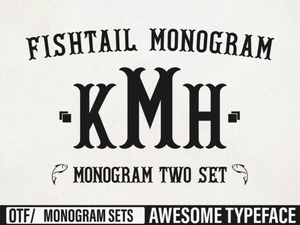 Fishtail Monogram Font Design Ideas and Uses
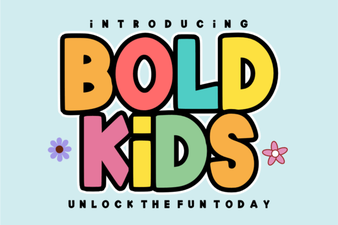 Bold Kids Font for Creative Design Projects
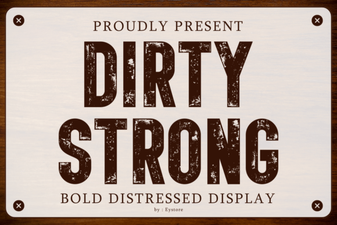 Dirty Strong Font Design Trends and Creative Uses
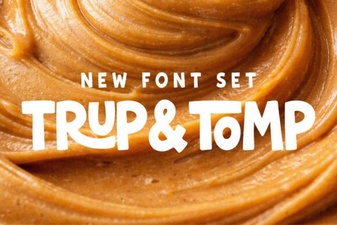 Trup & Tomp Font Design and Creative Projects
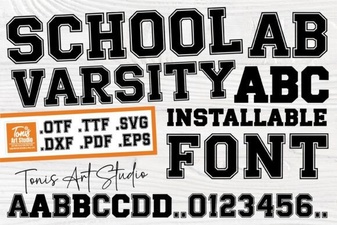 School Varsity Font Design Ideas and Uses
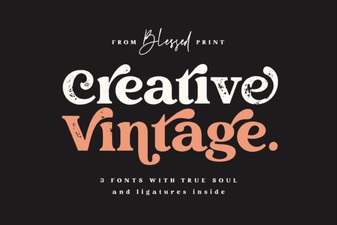 Creative Vintage Font for Unique Design Projects